QUICK QUESTIONS WITH: Yoko Sakamoto
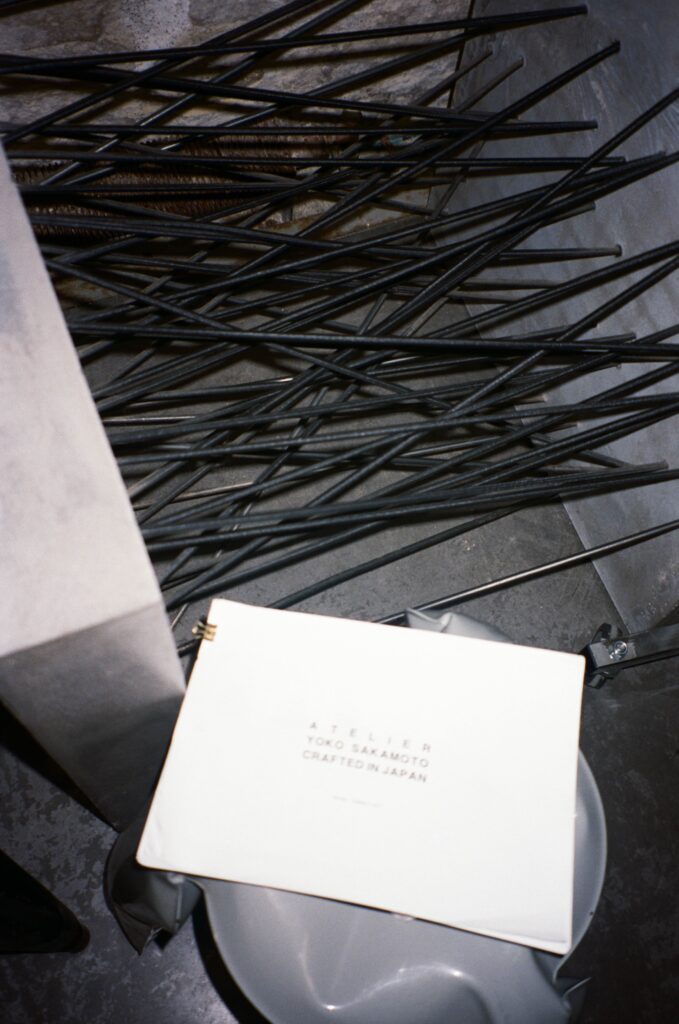
Going into the Yoko Sakamoto showroom has become one of my personal highlights of Fashion Week. Arriving at the discreet entrance on a refurbished industrial building in the Marais, immediately I’m told not to take any photos for social media. Some communications managers might be a bit annoyed, as the racks of deliciously dyed garments and the table full of neatly displayed accessories would make for some great content for the insta-dump. Contrarily, I fully respect and admire the discretion. This allows a rare moment to put the phone and camera down, and truly immerse oneself into the story of a collection.
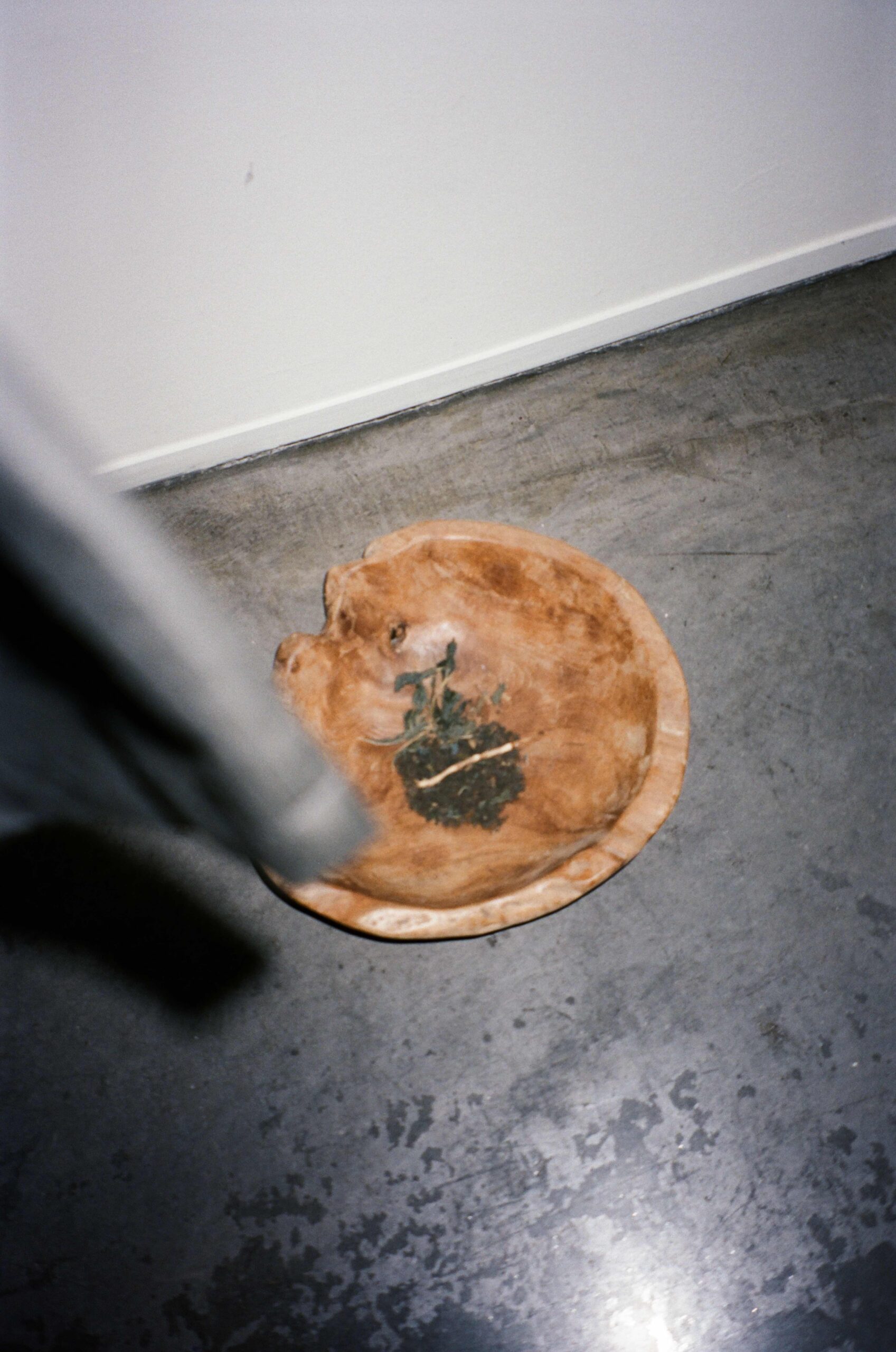
With Sakamoto, this intentionality is a hallmark of her approach, and her personal character. Normally, she emerges from the back room, humbly bowing, smiling and shaking the hands of everyone in the room. Her and the team of agents/translators recount the stories of the artisan collaborators and the different techniques used to achieve the hues and textures that her collections are so renowned for. Each little detail has a unique aspect. Simply sitting in a wooden bowl under a rack is a handful of dried indigo from Japan, the exact same flower used to hand-dye the indigo-tinted pieces. These are the types of subtle touches that makes Sakamoto a special designer.
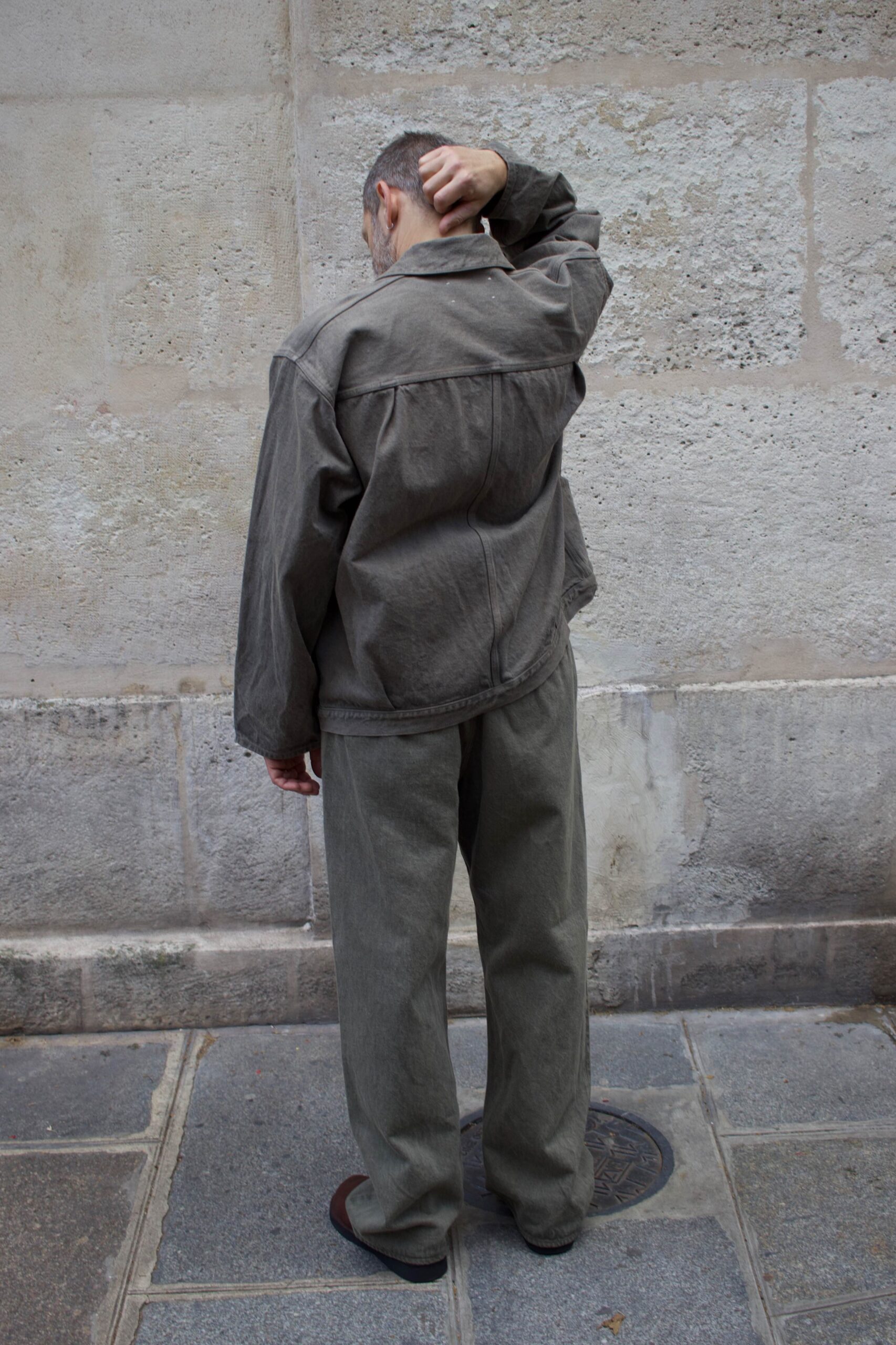
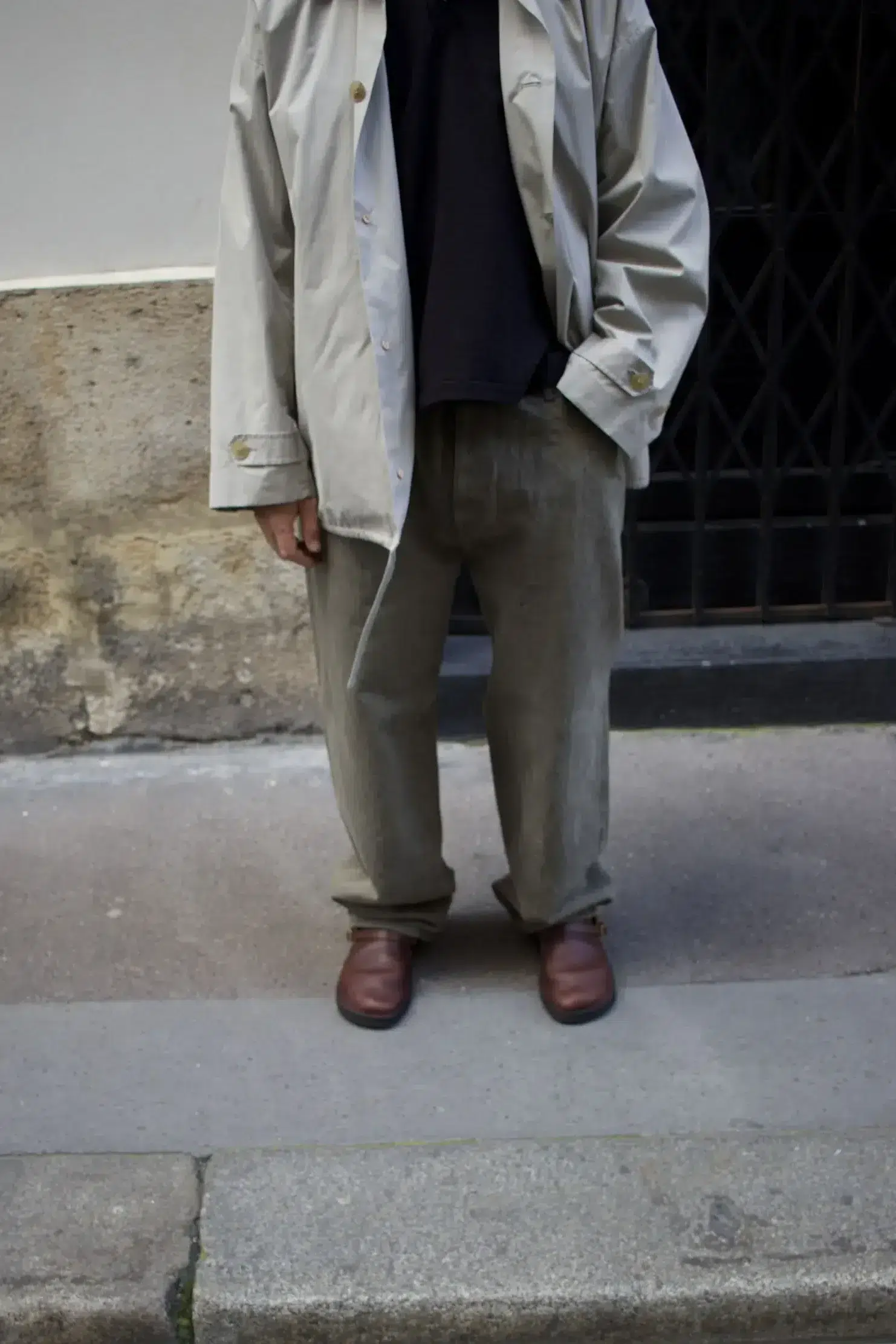
Browsing through a Yoko Sakamoto collection, a kaleidoscope of earthily colored, natural plant-dyed fabrics sway along the racks. The rigidity and structure of a beautiful selvedge denim or a hemp and cotton twill is complimented by veiled cottons or flowing silks. Ease of wearing and comfort are also important to her designs, while never sacrificing on aesthetic. Many trousers and even jeans have elastic or adjustable waists, jackets and tops hang with generous cuts, and the footwear and other accessories are created with a wide form. In short, Sakamoto’s collections are impeccably crafted, simple and easy to wear, and involved in preserving the different crafts of independent Japanese craftsmen. Check, check and… check.
Normally, Yoko prefers to speak less and let her pieces do more of the talking. However, recently she kindly opened up to us about her process, how she sees her brand going into the future, and a bit of what she loves outside of creating clothes.
Describe in some words the story of the launching of the brand. Why did you set out to create your own label?
I started my brand at 26, wanting to create everyday clothes. I’d actually been doing solo exhibitions before that, so transitioning into a brand just felt like a natural flow.
Describe in some words your design philosophy. How would you explain your style?
Understated design.
Durable craftsmanship featuring tough fabrics and construction.
Where does the design process start for a collection? Is it the silhouette or the materials?
In most cases, our process begins with developing the textiles from scratch. Creating the fabric is an exhilarating, deeply rewarding stage of production.
I design while honoring the material’s natural characteristics, imagining the perfect garment or silhouette to showcase its unique texture.
Conversely, when a project begins with the garment design itself, my focus shifts to selecting a fabric that seamlessly complements and preserves the intended silhouette.
You are in your 10th year running the brand! What has been the most rewarding experience for you?
Holding my first exhibition in Paris was unforgettable. I’ve been showcasing my collections there since Spring/Summer 2020, and it became a major turning point for me in every possible way.
What has been the most challenging?
Launching the brand without traditional industry experience meant starting entirely from scratch, sourcing my own manufacturing plants and textile suppliers. However, making mistakes and learning on the fly when I was young proved to be a vital experience.
I still maintain long-standing relationships with some of those original fabric suppliers, who feel like lifelong mentors watching over my growth. While I’m not sure if I have fully given back to them yet, they taught me the ultimate lesson: that longevity and persistence matter above all else.
What inspires you?
No matter the object, I often draw inspiration from the old and antique. The visible traces of an object having weathered the passage of time seem to possess a unique aura that naturally draws people in.
How do you continue to evolve the brand, even as a designer who leans more minimalist?
Our aesthetic seems minimal, but our process is entirely driven by how comfortably a piece wears and how long it can endure. A garment may look straightforward, but it is actually a product of dense functional depth. For this reason, we don’t view our identity as minimalist; our simplicity is deceptive.
What were your personal favorite pieces from this latest collection and why?
Introducing our 100% hemp series. Woven to its absolute maximum density, the fabric undergoes a specialized tumbling process to bring out its aged character. It possesses an antique-like softness right from the start; though rugged in nature, the fabric retains a refined, beautiful expression. It has a truly unique atmosphere, and it is a personal favorite that perfectly represents who we are.
What is your biggest passion or interest outside of creating clothing?
Spending time with my child has become a profound source of inspiration. It frequently forces me to step back and reevaluate things I used to take for granted, showing me the world through a completely fresh lens. Discovering a child’s unique way of seeing and interacting with the world is a joyful experience, and it is where I channel a great deal of my energy and passion.
What do you envision for Yoko Sakamoto in the future?
First up, we hope to open our own retail store locally. We want to build a space where you can touch and feel the entire collection for yourself. Ultimately, it’ll be a place where we can share the story behind our craftsmanship and invite everyone into our manufacturing journey.
Words: Avery Naman
Photos: Marc Llorens and Avery Naman